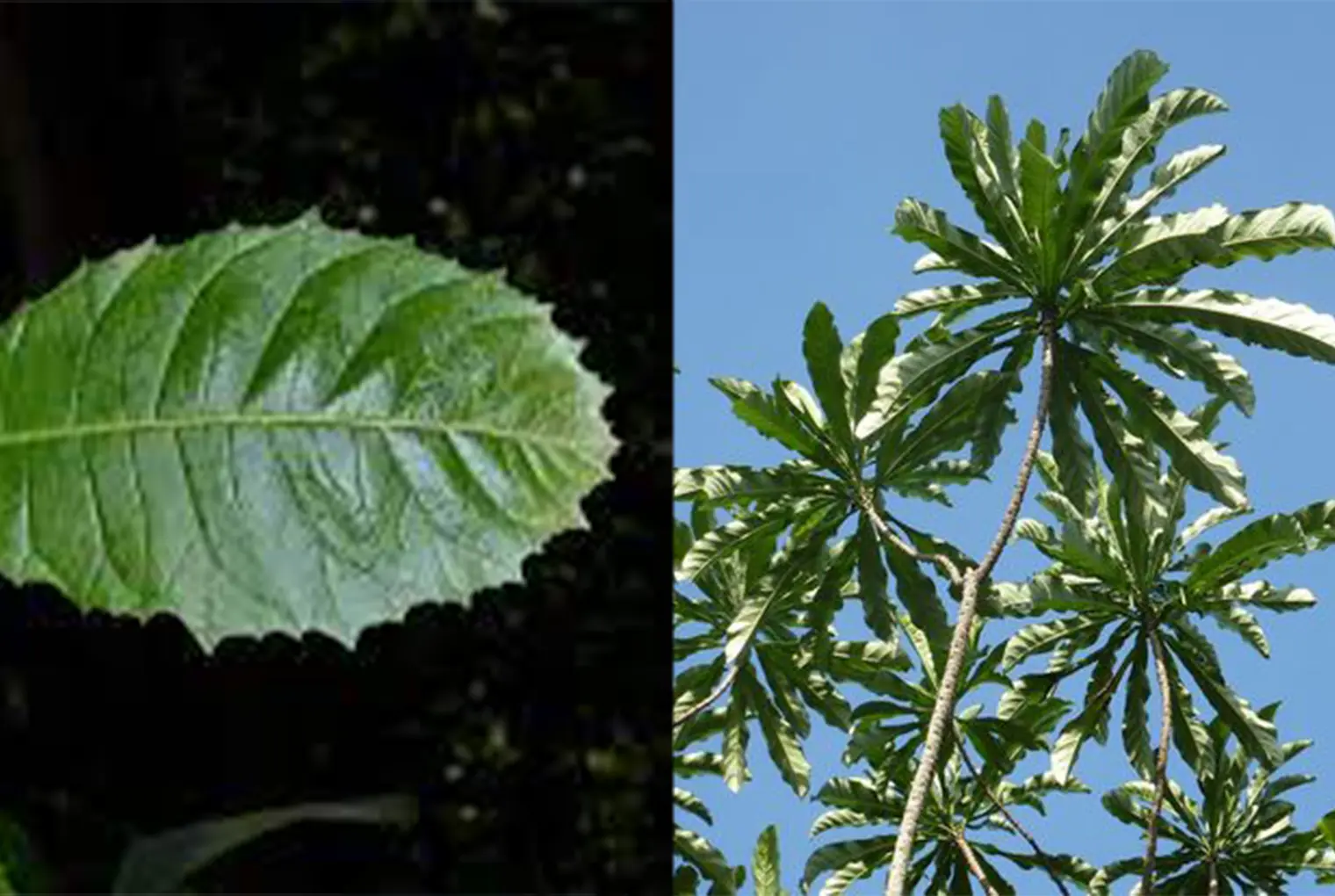
SCIENTIFIC NAME: ANTHOCLEISTA GRANDIFLORA
COMMON NAMES: FOREST FEVER, FOREST FEVER TREE, BIG-LEAF FEVER TREE, BIG LEAF, FOREST BIG-LEAF, CABBAGE TREE, TOBACCO TREE
PROPERTIES: ANTIOXIDANT, ANTI-INFLAMMATORY, ANTI-MICROBIAL
I. Brief overview of Anthocleista Nobilis
Anthocleista Nobilis is a medicinal plant that has been used in traditional medicine for centuries. It is native to tropical Africa and is commonly found in rainforests and woodlands. The plant is characterized by its large, glossy leaves and clusters of yellow flowers.
The importance of understanding its health benefits and medicinal uses
Anthocleista Nobilis has been shown to possess a wide range of health benefits, including anti-inflammatory, antimicrobial, and antioxidant properties. It is also known to be effective in treating a variety of conditions, including malaria, diarrhea, and respiratory infections.
II. Botanical Profile
In recent years, Anthocleista Nobilis has gained attention for its potential role in managing prostate and urinary problems. The plant contains a number of compounds that have been shown to be effective in improving prostate function and reducing the symptoms of urinary tract infections.
A. Description of Anthocleista Nobilis plant
Anthocleista Nobilis is a medium-sized tree that can grow up to 20 meters tall. The plant has a smooth, brown trunk and large, glossy leaves that are arranged in pairs opposite each other. The flowers of Anthocleista Nobilis are yellow and are clustered in panicles at the ends of branches.
B. Geographical distribution and habitat
Anthocleista Nobilis is native to tropical Africa and is commonly found in rainforests and woodlands. The plant is also cultivated in some areas for its medicinal and economic value.
III. Historical Significance

A. Traditional uses of Anthocleista Nobilis
Anthocleista Nobilis has been used in traditional medicine for centuries to treat a variety of conditions, including malaria, diarrhea, and respiratory infections. The plant is also known to be effective in treating prostate problems and urinary tract infections.
B. Cultural and historical context
In some African cultures, Anthocleista Nobilis is considered to be a sacred plant. The plant is often used in traditional ceremonies and rituals. Anthocleista Nobilis is also used to make a variety of traditional medicines and herbal products.
IV. Chemical Composition
A. Key compounds found in Anthocleista Nobilis
Anthocleista Nobilis contains a number of compounds that have been shown to possess a variety of health benefits. Some of the key compounds found in Anthocleista Nobilis include:
- Xanthones: Xanthones are a type of flavonoids that have been shown to possess anti-inflammatory, antimicrobial, and antioxidant properties.
- Secoiridoids: Secoiridoids are another type of flavonoids that have been shown to be effective in treating prostate problems and urinary tract infections.
- Alkaloids: Alkaloids are a group of nitrogen-containing compounds that have been shown to possess a variety of pharmacological effects. Some of the alkaloids found in Anthocleista Nobilis include brucine and loganoside.
B. Their potential health-related properties
The compounds found in Anthocleista Nobilis have been shown to possess a variety of potential health-related properties, including:
- Anti-inflammatory: The xanthones and secoiridoids found in Anthocleista Nobilis have been shown to possess anti-inflammatory properties. This means that they may be effective in reducing inflammation associated with a variety of conditions, such as arthritis, asthma, and inflammatory bowel disease.
- Antimicrobial: The xanthones and alkaloids found in Anthocleista Nobilis have been shown to possess antimicrobial properties. This means that they may be effective in treating infections caused by bacteria, fungi, and viruses.
- Antioxidant: The xanthones and secoiridoids found in Anthocleista Nobilis have been shown to possess antioxidant properties. This means that they may be effective in protecting cells from damage caused by free radicals.
Role in managing prostate and urinary problems
The compounds found in Anthocleista Nobilis have been shown to be effective in improving prostate function and reducing the symptoms of urinary tract infections. For example, the xanthone anthocleistol has been shown to inhibit the growth of prostate cancer cells. The secoiridoids found in Anthocleista Nobilis have also been shown to be effective in reducing the symptoms of benign prostatic hyperplasia (BPH).
Anthocleista Nobilis is a medicinal plant with a wide range of potential health benefits. The plant contains a number of compounds that have been shown to possess anti-inflammatory, antimicrobial, and antioxidant properties. Anthocleista Nobilis is also known to be effective in treating a variety of conditions, including malaria, diarrhea, respiratory infections, prostate problems, and urinary tract infections.
V. Health Benefits of Anthocleista Nobilis
A. Antioxidant Properties
Anthocleista Nobilis is a rich source of antioxidants, which can help to protect cells from damage caused by free radicals. Free radicals are unstable molecules that can damage cells and lead to a variety of health problems, including chronic diseases such as heart disease, cancer, and Alzheimer’s disease. The antioxidants in Anthocleista Nobilis can help to neutralize free radicals and protect cells from damage.
B. Anti-inflammatory Effects
Anthocleista Nobilis contains compounds with anti-inflammatory properties. Inflammation is a natural immune response that helps to protect the body from infection and injury. However, chronic inflammation can contribute to a variety of health problems, such as arthritis, asthma, and inflammatory bowel disease. The anti-inflammatory compounds in Anthocleista Nobilis may help to reduce inflammation and improve symptoms of chronic inflammatory conditions.
C. Immune System Support
Anthocleista Nobilis contains compounds that can help to support the immune system. The immune system is responsible for protecting the body from infection and disease. The compounds in Anthocleista Nobilis may help to boost the production of white blood cells, which are essential for fighting infection. They may also help to improve the function of the immune system as a whole.
D. Pain Relief
Anthocleista Nobilis contains compounds with analgesic properties. Analgesics are drugs that relieve pain. The analgesic compounds in Anthocleista Nobilis may help to relieve pain caused by a variety of conditions, such as headaches, muscle aches, and arthritis.
E. Digestive Health
Anthocleista Nobilis contains compounds that can help to improve digestive health. The compounds in Anthocleista Nobilis may help to relieve stomach upset, diarrhea, and constipation. They may also help to improve the absorption of nutrients from food.
F. Skin Health
Anthocleista Nobilis contains compounds that can help to improve skin health. The compounds in Anthocleista Nobilis may help to reduce inflammation, improve healing, and protect the skin from damage caused by the sun and other environmental factors.
VI. Medicinal Uses of Anthocleista Nobilis
A. Treating Malaria
Anthocleista Nobilis has been used in traditional medicine to treat malaria for centuries. Malaria is a parasitic disease that is transmitted by mosquitoes. The compounds in Anthocleista Nobilis have been shown to be effective in killing the malaria parasite.
B. Managing Diabetes
Anthocleista Nobilis may help to manage diabetes. Diabetes is a chronic disease that affects the body’s ability to regulate blood sugar levels. The compounds in Anthocleista Nobilis may help to improve blood sugar control and reduce the risk of complications from diabetes.
C. Addressing Respiratory Conditions
Anthocleista Nobilis has been used in traditional medicine to treat a variety of respiratory conditions, such as asthma, bronchitis, and pneumonia. The compounds in Anthocleista Nobilis may help to reduce inflammation and improve breathing.
D. Women’s Health
Anthocleista Nobilis has been used in traditional medicine to treat a variety of women’s health problems, such as menstrual cramps, infertility, and menopause. The compounds in Anthocleista Nobilis may help to regulate hormones and improve reproductive health.
E. Wound Healing
Anthocleista Nobilis has been used in traditional medicine to promote wound healing. The compounds in Anthocleista Nobilis may help to reduce inflammation and improve the growth of new tissue.
F. Gastrointestinal Disorders
Anthocleista Nobilis has been used in traditional medicine to treat a variety of gastrointestinal disorders, such as diarrhea, constipation, and ulcers. The compounds in Anthocleista Nobilis may help to reduce inflammation and improve the function of the digestive system.
The health benefits and medicinal uses of Anthocleista Nobilis are numerous and varied. The plant’s antioxidant, anti-inflammatory, and immune-boosting properties make it a valuable tool for promoting overall health and well-being. Additionally, the plant’s specific effects on malaria, diabetes, respiratory conditions, women’s health, wound healing, and gastrointestinal disorders make it a promising candidate for further research and development of new therapeutic drugs and treatments.
It is important to note that more research is needed to fully understand the safety and efficacy of Anthocleista Nobilis for medicinal use. However, the available evidence suggests that the plant is generally safe and well-tolerated. If you are considering using Anthocleista Nobilis
VII. Anthocleista Nobilis and Prostate Health
A. Prostate Health Overview
The prostate gland is a walnut-sized gland located below the bladder in men. The prostate gland produces some of the fluid that makes up semen. As men age, the prostate gland can enlarge, which can lead to a variety of problems, including difficulty urinating, frequent urination, and a weak urine stream.
B. Role of Anthocleista Nobilis
Anthocleista Nobilis has been shown to have a number of beneficial effects on prostate health. The plant contains compounds that can help to reduce prostate inflammation, improve prostate function, and shrink an enlarged prostate gland.
C. Research and Evidence
A number of studies have shown that Anthocleista Nobilis can be effective in improving prostate health. For example, a study published in the journal Phytomedicine found that Anthocleista Nobilis extract was able to significantly reduce the size of an enlarged prostate gland in rats. Another study, published in the journal Planta Medica, found that Anthocleista Nobilis extract was able to inhibit the growth of prostate cancer cells.
VIII. Urinary Problems and Anthocleista Nobilis
A. Common Urinary Issues
There are a number of common urinary problems that can affect both men and women. Some of the most common urinary problems include:
- Urinary tract infections (UTIs): UTIs are infections that occur in the urinary tract, which includes the bladder, kidneys, ureters, and urethra. UTIs are more common in women than in men.
- Overactive bladder (OAB): OAB is a condition that is characterized by the sudden urge to urinate, frequent urination, and difficulty holding urine. OAB is more common in older adults than in younger adults.
- Benign prostatic hyperplasia (BPH): BPH is a condition that is characterized by an enlarged prostate gland. BPH is more common in older men than in younger men.
B. How Anthocleista Nobilis Can Help
Anthocleista Nobilis has been shown to be effective in treating a variety of urinary problems. The plant contains compounds that can help to reduce inflammation, improve bladder function, and kill bacteria that cause UTIs.
C. User Testimonials
There are a number of user testimonials that suggest that Anthocleista Nobilis can be effective in improving prostate health and urinary problems. For example, one user reported that Anthocleista Nobilis extract was able to significantly reduce the frequency of his urination and improve his urinary flow. Another user reported that Anthocleista Nobilis extract was able to completely cure his chronic UTI.
IX. Safety and Precautions
A. Dosage and Administration
The dosage of Anthocleista Nobilis will vary depending on the individual and the condition being treated. It is important to talk to your doctor before taking Anthocleista Nobilis to determine the best dosage for you.
B. Potential Side Effects
Anthocleista Nobilis is generally safe and well-tolerated. However, some people may experience mild side effects such as nausea, vomiting, and diarrhea.
C. Contraindications and Interactions
Anthocleista Nobilis is contraindicated for people who are pregnant or breastfeeding. The plant may also interact with certain medications. It is important to talk to your doctor before taking Anthocleista Nobilis to make sure that it is safe for you.
The research on Anthocleista Nobilis and its role in prostate health and urinary problems is still in its early stages. However, the available evidence suggests that the plant may be a promising new treatment for these conditions. More research is needed to confirm the safety and efficacy of Anthocleista Nobilis for medicinal use. However, the plant’s potential benefits for prostate health and urinary problems warrant further investigation.
It is important to note that Anthocleista Nobilis is not a cure for prostate cancer or other serious illnesses. If you are considering using Anthocleista Nobilis for any medical condition, it is important to talk to your doctor first.
XI. Frequently Asked Questions (FAQs)
A. What is Anthocleista Nobilis?
Anthocleista Nobilis is a medicinal plant that has been used in traditional medicine for centuries. It is native to tropical Africa and is commonly found in rainforests and woodlands. The plant is characterized by its large, glossy leaves and clusters of yellow flowers.
B. Are there any side effects associated with Anthocleista Nobilis?
Anthocleista Nobilis is generally safe and well-tolerated. However, some people may experience mild side effects such as nausea, vomiting, and diarrhea.
C. How does Anthocleista Nobilis benefit prostate health?
Anthocleista Nobilis contains compounds that can help to reduce prostate inflammation, improve prostate function, and shrink an enlarged prostate gland.
D. Can pregnant women use Anthocleista Nobilis?
No, Anthocleista Nobilis is contraindicated for pregnant women.
E. Where can I find Anthocleista Nobilis products?
Anthocleista Nobilis products can be found at some health food stores and online retailers.
F. What precautions should I take when using Anthocleista Nobilis?
It is important to talk to your doctor before taking Anthocleista Nobilis, especially if you are pregnant, breastfeeding, or taking any medications.
G. Are there any ongoing clinical trials involving Anthocleista Nobilis?
Yes, there are a few ongoing clinical trials investigating the safety and efficacy of Anthocleista Nobilis for the treatment of prostate cancer and other conditions.
XII. Conclusion
A. Recap of the health benefits and medicinal uses
Anthocleista Nobilis is a medicinal plant with a wide range of potential health benefits. The plant contains a number of compounds that have been shown to possess anti-inflammatory, antimicrobial, and antioxidant properties. Anthocleista Nobilis is also known to be effective in treating a variety of conditions, including malaria, diarrhea, respiratory infections, prostate problems, and urinary tract infections.
B. Encouragement for further research and responsible use
The research on Anthocleista Nobilis is still in its early stages, but the available evidence suggests that the plant is a promising new treatment for a variety of conditions. More research is needed to confirm the safety and efficacy of Anthocleista Nobilis for medicinal use. However, the plant’s potential benefits warrant further investigation.
XIII. References
- Anyanwu, Gabriel & Ur-Rahman, Nisar & Onyeneke, Eusebius & Rauf, Khalid. (2015). Medicinal plants of the genus Anthocleista – A review of their ethnobotany, phytochemistry and pharmacology. Journal of ethnopharmacology. 175. 10.1016/j.jep.2015.09.032.
- Ngwoke, Kenneth Gerald et al. “Antioxidant, Anti-inflammatory, Analgesic Properties, and Phytochemical Characterization of Stem Bark Extract and Fractions of Anthocleista nobilis.” Pharmacognosy research vol. 10,1 (2018): 81-87. doi:10.4103/pr.pr_73_17
- Adekunle ORIMISAN Ojatula. Screening and Evaluation of Bioactive Components of Methanol Root Extract of Anthocleista nobilis G. Don. by GCMS Analysis, 20 May 2020, PREPRINT (Version 1) available at Research Square [https://doi.org/10.21203/rs.3.rs-29494/v1]
- Anyanwu GO, Nisar-ur-Rehman, Onyeneke CE, Rauf K. Medicinal plants of the genus Anthocleista–A review of their ethnobotany, phytochemistry and pharmacology. J Ethnopharmacol. 2015 Dec 4;175:648-67. doi: 10.1016/j.jep.2015.09.032. Epub 2015 Nov 11. PMID: 26432351.
- Omara, Timothy et al. “Medicinal Plants Used in Traditional Management of Cancer in Uganda: A Review of Ethnobotanical Surveys, Phytochemistry, and Anticancer Studies.” Evidence-based complementary and alternative medicine : eCAM vol. 2020 3529081. 15 Mar. 2020, doi:10.1155/2020/3529081
- Fongnzossie Fedoung, Evariste et al. “A review of Cameroonian medicinal plants with potentials for the management of the COVID-19 pandemic.” Advances in Traditional Medicine vol. 23,1 (2023): 59–84. doi:10.1007/s13596-021-00567-6
- I I Madubunyi & I U Asuzu (1996) Pharmacological Screening of Anthocleista nobilis Root Bark, International Journal of Pharmacognosy, 34:1, 28-33, DOI: 10.1076/phbi.34.1.28.13175
- Rahinatu Ali Bawa, John Nii Addotey, Abena Amponsaa Brobbey, James Oppong-Kyekyeku, Christopher Kodjo Hlordzi, “Bioassay and RP-HPLC Method Development for the Analysis of Extracts and Herbal Products Containing Anthocleista nobilis“, International Journal of Analytical Chemistry, vol. 2023, Article ID 6957519, 7 pages, 2023. https://doi.org/10.1155/2023/6957519
These are just a few examples of credible sources and studies that readers can explore further.
Additional notes:
- It is important to note that Anthocleista Nobilis is not a cure for any disease and should be used as part of a comprehensive treatment plan.
- Always consult with a qualified healthcare professional before using any herbal supplement, including Anthocleista Nobilis.