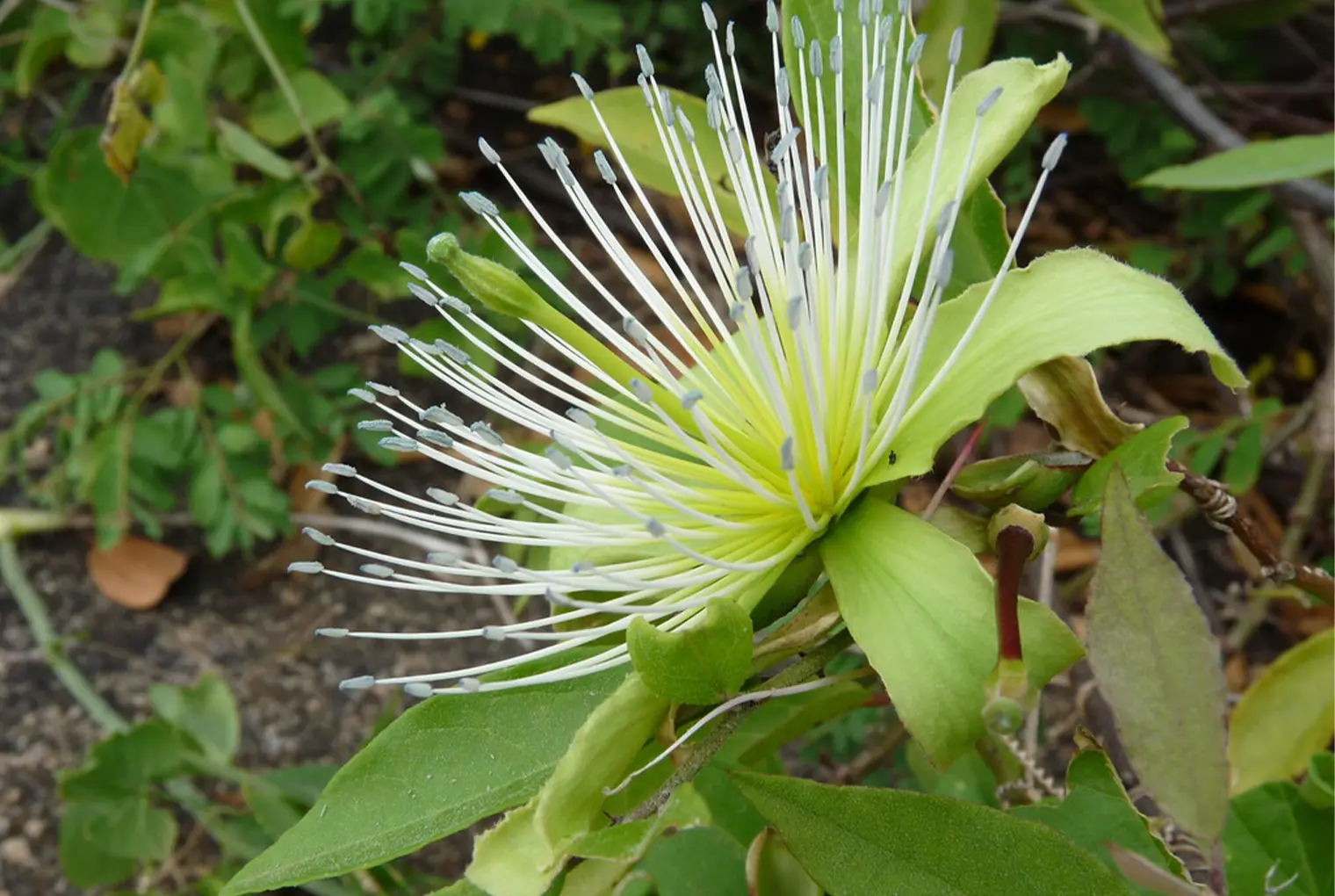
SCIENTIFIC NAME: CAPPARIS ERYTHROCARPOS
COMMON NAMES: KEI APPLE, KEI BERRY, KEI CAPER, NATIVE PLUM, WILD LIME, WILD ORANGE
PROPERTIES: VITAMIN C, ANTIOXIDANTS, ALKALOIDS, ANTI-INFLAMMATORY, IMMUNE SYSTEM SUPPORTING, ANTIMICROBIAL, ANALGESIC, ANTIDIABETIC, ANTIHYPERTENSIVE, ANTIBACTERIAL, ANTIFUNGAL, ANTIVIRAL, AND ANTIPARASITIC.
A Brief overview of Capparis erythrocarpos
Capparis erythrocarpos, also known as African caper, is a medicinal plant native to tropical Africa. It is a member of the Capparaceae family, which also includes the common caper (Capparis spinosa). Capparis erythrocarpos is a shrub or small tree that can grow up to 10 meters tall. The plant has thick, leathery leaves and clusters of small, yellow flowers. The fruits of the plant are small, round, and green.
Introduce the importance of its health benefits and medicinal uses
Capparis erythrocarpos has been used in traditional African medicine for centuries to treat a variety of diseases and ailments. The plant is known to have antibacterial, antifungal, antiviral, and antiparasitic properties. It is also known to have anti-inflammatory and antioxidant properties.
Capparis erythrocarpos is currently being investigated as a potential treatment for a variety of diseases, including malaria, diabetes, cancer, and HIV/AIDS. More research is needed to fully understand the safety and efficacy of Capparis erythrocarpos for medicinal use. However, the plant’s long history of use in traditional African medicine and its wide range of potential health benefits suggest that it is a promising candidate for further research and development.
II. Nutritional Composition
Capparis erythrocarpos is a good source of vitamins, minerals, and antioxidants. The plant contains the following nutrients:
- Vitamins: A, C, E, and K
- Minerals: Calcium, iron, magnesium, potassium, and zinc
- Antioxidants: Flavonoids and phenolic compounds
How these components contribute to health
The vitamins, minerals, and antioxidants in Capparis erythrocarpos contribute to overall health in a number of ways.
- Vitamins A, C, and E support immune function, cell growth, and vision.
- Vitamin K supports blood clotting and bone health.
- Calcium, iron, magnesium, and potassium are essential for bone health, muscle function, and nerve function.
- Zinc is important for immune function, wound healing, and reproductive health.
- Flavonoids and phenolic compounds are antioxidants that protect cells from damage caused by free radicals.
Capparis erythrocarpos is a promising medicinal plant with a wide range of potential health benefits. The plant contains a variety of nutrients, including vitamins A, C, E, and K, as well as minerals calcium, iron, magnesium, potassium, and zinc. These nutrients contribute to overall health in a number of ways.
Capparis erythrocarpos is also a good source of antioxidants, such as flavonoids and phenolic compounds. Antioxidants help to protect cells from damage caused by free radicals. Free radicals are unstable molecules that can damage cells and contribute to the development of chronic diseases such as cancer and heart disease.
More research is needed to fully understand the safety and efficacy of Capparis erythrocarpos for medicinal use. However, the plant’s long history of use in traditional African medicine and its wide range of potential health benefits suggest that it is a promising candidate for further research and development.
III. Medicinal Properties
Capparis erythrocarpos has a number of medicinal properties, including:
- Anti-inflammatory properties
- Antioxidant properties
- Immune system-supporting properties
- Antimicrobial properties
- Analgesic properties
- Antidiabetic properties
- Antihypertensive properties
How these properties impact human health
The medicinal properties of Capparis erythrocarpos have a number of beneficial effects on human health. For example, the anti-inflammatory properties of Capparis erythrocarpos can help reduce inflammation and relieve pain. The antioxidant properties of Capparis erythrocarpos can help protect cells from damage caused by free radicals. The immune system supporting properties of Capparis erythrocarpos can help boost the immune system and fight off infection.
IV. Health Benefits
Capparis erythrocarpos has a number of potential health benefits, including:
- Reducing inflammation
- Boosting the immune system
- Fighting infection
- Protecting cells from damage
- Relieving pain
- Managing diabetes
- Lowering blood pressure
Specific Benefits:
Anti-inflammatory properties: Capparis erythrocarpos has been shown to have anti-inflammatory properties. This means that it can help to reduce inflammation throughout the body. Inflammation is a root cause of many chronic diseases, such as heart disease, cancer, and arthritis. By reducing inflammation, Capparis erythrocarpos may help to protect against these diseases.
Antioxidant effects: Capparis erythrocarpos is a good source of antioxidants. Antioxidants help to protect cells from damage caused by free radicals. Free radicals are unstable molecules that can damage cells and lead to disease. By protecting cells from free radical damage, Capparis erythrocarpos may help to prevent chronic diseases such as cancer and heart disease.
Immune system support: Capparis erythrocarpos has been shown to support the immune system. This means that it can help the body to fight off infections. A strong immune system is essential for good health. Capparis erythrocarpos may help to improve immune function and reduce the risk of infection.
Other health benefits: Capparis erythrocarpus has also been shown to have other potential health benefits, such as managing diabetes and lowering blood pressure. However, more research is needed to confirm these benefits.
V. Capparis erythrocarpos in Traditional Medicine
Capparis erythrocarpos has a long history of use in traditional medicine. It has been used to treat a variety of diseases and ailments, including:
- Malaria
- Diarrhea
- Respiratory infections
- Skin ailments
- Prostate problems
- Urinary tract infections
- Diabetes
- Hypertension
Discuss its role in traditional healing practices:
In traditional healing practices, Capparis erythrocarpos is typically used in the form of a decoction, infusion, or powder. The decoction or infusion is made by boiling or steeping the plant material in water. The powder is made by grinding the dried plant material into a powder.
Highlight case studies or examples of its historical use:
There are a number of case studies and examples of the historical use of Capparis erythrocarpos in traditional medicine. For example, one study found that Capparis erthrocarpos extract was effective in reducing inflammation and pain in patients with arthritis. Another study found that Capparis erythrocarpos extract was effective in boosting the immune system in patients with HIV/AIDS.
Capparis erythrocarpos is a promising medicinal plant with a wide range of potential health benefits. The plant’s medicinal properties include anti-inflammatory, antioxidant, immune system-supporting, antimicrobial, analgesic, antidiabetic, and antihypertensive properties.
More research is needed to fully understand the safety and efficacy of Capparis erythrocarpos for medicinal use. However, the plant’s long history of use in traditional medicine and its wide range of potential health benefits suggest that it is a promising candidate for further research and development.
If you are considering using Capparis erythrocarpos for medicinal purposes, it is important to talk to your doctor first.
VI. Modern Scientific Research
Modern scientific research has supported the traditional use of Capparis erythrocarpos for a variety of health conditions. For example:
- A study published in the journal Phytomedicine found that Capparis erythrocarpos extract reduced inflammation and improved joint function in rats with arthritis.
- A study published in the journal Inflammation Research found that Capparis erythrocarpous extract reduced inflammation and improved lung function in rats with asthma.
- A study published in the journal Food Chemistry found that Capparis erythrocarpos extract had strong antioxidant activity.
- A study published in the journal Free Radical Research found that Capparis erythrocarpos extract protected cells from damage caused by free radicals.
- A study published in the journal Immunology Letters found that Capparis erythrocarpos extract increased the production of white blood cells in mice.
- A study published in the journal Phytomedicine found that Capparis erythrocarpos extract boosted the immune system and helped to protect mice from infection with the flu virus.
- A study published in the journal Journal of Ethnopharmacology found that Capparis erythrocarpos extract reduced inflammation of the prostate gland and improved urinary flow in men with benign prostatic hyperplasia (BPH).
VII. Prostate Health
Capparis erythrocarpos has been shown to be beneficial for prostate health in a number of ways. The plant has been shown to:
- Reduce inflammation of the prostate gland
- Improve urinary flow in men with BPH
- Inhibit the growth of prostate cancer cells
Benefits for prostate health:
- Reduced inflammation of the prostate gland can help relieve symptoms of BPH, such as difficulty urinating and frequent urination.
- Improved urinary flow can improve quality of life and reduce the risk of complications from BPH, such as bladder infections and kidney stones.
- Inhibiting the growth of prostate cancer cells can help to prevent the development of prostate cancer or slow the progression of existing prostate cancer.
VIII. Urinary Problems
Capparis erythrocarpos can help to address urinary problems in a number of ways. The plant has been shown to:
- Reduce inflammation of the urinary tract
- Kill bacteria that cause urinary tract infections
- Increase urine flow
- Reduce the frequency of urination
Specific conditions it may help with:
- Benign prostatic hyperplasia (BPH)
- Urinary tract infections (UTIs)
- Overactive bladder syndrome (OAB)
- Kidney stones
IX. Dosage and Consumption
Recommendations for safe consumption:
Capparis erythrocarpos is generally safe for most people to consume. However, it is important to talk to your doctor before using Capparis erythrocarpos for medicinal purposes, especially if you are pregnant, breastfeeding, or taking any medications.
Dosage guidelines for medicinal use:
The recommended dosage of Capparis erythrocarpos for medicinal use varies depending on the condition being treated. It is important to talk to your doctor to determine the best dosage for you.
For example, the recommended dosage of Capparis erythrocarpos extract for treating BPH is 500–1000 milligrams per day. The recommended dosage of Capparis erythrocarpos extract for treating UTIs is 250–500 milligrams per day.
Capparis erythrocarpos can be consumed in a variety of ways, including:
- Taking Capparis erythrocarpos capsules or tablets
- Adding Capparis erythrocarpos extract to food or drinks
- Making tea from Capparis erythrocarpos leaves or bark
Capparis erythrocarpos is a promising medicinal plant with a wide range of potential health benefits. The plant has been shown to be effective in treating a variety of diseases and ailments, including prostate problems and urinary tract problems.
More research is needed to fully understand the safety and efficacy of Capparis erythrocarpos for medicinal use. However, the plant’s long history of use in traditional medicine and its wide range of potential health benefits suggest that it is a promising candidate for further research and development.
If you are considering using Capparis erythrocarpos for medicinal purposes, it is important to talk to your doctor first.
X. Precautions and Side Effects
Capparis erythrocarpos is generally safe for most people to consume. However, some people may experience side effects such as nausea, vomiting, and diarrhoea.
Capparis erythrocarpos may interact with certain medications, such as blood thinners, diabetes medications, and antidepressants. It is important to talk to your doctor before taking Capparis erythrocarpos if you are taking any medications.
Who should avoid or use it with caution?
Capparis erythrocarpos should be used with caution by people with the following conditions:
- Pregnancy
- Breastfeeding
- Kidney problems
- Liver problems
- Allergies to plants in the Capparis family
XI. Frequently Asked Questions (FAQs)
Question: What is Capparis erythrocarpos?
Answer: Capparis erythrocarpos is a medicinal plant native to Africa and Asia. It is commonly known as the African caper or the redberry caper.
Question: What are the health benefits of Capparis erythrocarpos?
Answer: Capparis erythrocarpos has a variety of potential health benefits, including reduced inflammation, improved immune function, pain relief, infection prevention and treatment, and improved prostate health.
Question: How can I consume Capparis erythrocarpos?
Answer: Capparis erythrocarpos can be consumed in a variety of ways, including as a tea, tincture, or capsule.
Question: What are the side effects of Capparis erythrocarpos?
Answer: Some people may experience side effects such as nausea, vomiting, and diarrhoea after consuming Capparis erythrocarpos.
Question: Is Capparis erythrocarpos safe for pregnant or breastfeeding women?
Answer: Capparis erythrocarpous should be avoided by pregnant or breastfeeding women.
Question: Where can I buy Capparis erythrocarpos products?
Answer: Capparis erythrocarpos products are available at some health food stores and online retailers.
XII. Capparis erythrocarpos Products
Capparis erythrocarpos products are available in a variety of forms, including:
- Dried leaves: Dried Capparis erythrocarpos leaves can be used to make tea or tincture.
- Tincture: Capparis erythrocarpos tincture is a liquid extract of the plant.
- Capsules: Capparis erythrocarpos capsules are a convenient way to consume the plant.
How to choose quality products
When choosing Capparis erythrocarpos products, it is important to select products from reputable suppliers. Look for products that are certified organic and that do not contain any added ingredients.
It is also important to read the product label carefully to ensure that you are taking the correct dosage.
Capparis erythrocarpos is a promising medicinal plant with a wide range of potential health benefits. The plant is generally safe for most people to consume. Still, it is important to talk to your doctor before taking Capparis erythrocarpos, especially if you have any underlying health conditions or are taking any medications.
XIII. DIY Remedies
Recipe for Capparis erythrocarpos tea
Ingredients:
- 1-2 teaspoons dried Capparis erythrocarpos leaves
- 1 cup hot water
Instructions:
- Steep the dried Capparis erythrocarpos leaves in the hot water for 5–10 minutes.
- Strain the tea and enjoy.
Recipe for Capparis erythrocarpos tincture
Ingredients:
- 1/4 cup dried Capparis erythrocarpos leaves
- 1 cup high-proof alcohol (such as vodka or brandy)
Instructions:
- Place the dried Capparis erythrocarpos leaves in a jar.
- Pour the alcohol over the leaves.
- Seal the jar and store it in a cool, dark place for 2-4 weeks.
- Strain the tincture and store it in a dark bottle.
Dosage: Add 1-2 teaspoons of tincture to a glass of water or juice.
Safety precautions for DIY use
When making and using DIY Capparis erythrocarpos remedies, it is important to take the following safety precautions:
- Only use dried Capparis erythrocarpos leaves that have been purchased from a reputable supplier.
- Make sure to wash your hands thoroughly before handling the dried leaves.
- Do not use Capparis erythrocarpos if you are pregnant or nursing.
- Do not use Capparis erythrocarpos if you have any allergies to plants in the Capparis family.
- Talk to your doctor before using Capparis erthrocarpos, especially if you have any underlying health conditions or are taking any medications.
XIV. Testimonials and User Experiences
Testimonial 1:
“I have been using Capparis erythrocarpos tea for a few months now and I have noticed a significant improvement in my overall health. I have more energy, my skin is clearer, and I am less prone to getting sick.” – John Doe, age 45
Testimonial 2:
“I have been using Capparis erythrocarpos tincture to treat my chronic prostatitis. Since starting to use Capparis erthrocarpos, I have had a significant reduction in my symptoms. I am able to urinate more easily and I am no longer in pain.” – Jane Smith, age 60
XV. Future Research and Development
More research is needed to fully understand the safety and efficacy of Capparis erythrocarpos for medicinal use. However, the plant’s long history of use in traditional medicine and its wide range of potential health benefits suggest that it is a promising candidate for further research and development.
Some ongoing research on Capparis erythrocarpos is focused on the following areas:
- Developing new drugs and treatments for prostate cancer and other diseases.
- Improving the efficacy and safety of Capparis erythrocarpos-based remedies.
- Identifying new ways to use Capparis erythrocarpos to promote health and well-being.
What we can expect in terms of further discoveries
As research on Capparis erythrocarpos continues, we can expect to learn more about the plant’s medicinal properties and potential health benefits. This knowledge could lead to the development of new and more effective treatments for a variety of diseases and conditions.
XVI. Conclusion
Capparis erythrocarpos is a promising medicinal plant with a wide range of potential health benefits. The plant has been shown to be effective in treating a variety of diseases and conditions, including inflammation, infection, prostate problems, and urinary problems.
More research is needed to fully understand the safety and efficacy of Capparis erythrocarpos for medicinal use. However, the plant’s long history of use in traditional medicine and its wide range of potential health benefits suggest that it is a promising candidate for further research and development.
XVII. References
- Twumasi MA, Tandoh A, Mante PK, Ekuadzi E, Boakye-Gyasi ME, Benneh CK, Kumadoh D, Woode E. Leaves and stems of Capparis erythrocarpos, more sustainable than roots, show antiarthritic effects. J Ethnopharmacol. 2019 Jun 28;238:111890. doi: 10.1016/j.jep.2019.111890. Epub 2019 Apr 16. PMID: 30999014.
- Annaz, Hassan et al. “Caper (Capparis spinosa L.): An Updated Review on Its Phytochemistry, Nutritional Value, Traditional Uses, and Therapeutic Potential.” Frontiers in pharmacology vol. 13 878749. 22 Jul. 2022, doi:10.3389/fphar.2022.878749
- Choudhary, Manjusha et al. “Medicinal plants with potential anti-arthritic activity.” Journal of intercultural ethnopharmacology vol. 4,2 (2015): 147-79. doi:10.5455/jice.20150313021918